
Introduction
In today’s fast-moving digital world, businesses are constantly looking for new ways to connect with customers, promote their products, and increase sales. Traditional marketing methods, such as newspaper advertisements, television commercials, and printed brochures, still have value. However, the internet has transformed how businesses communicate with their audiences. This transformation has made digital marketing one of the most powerful tools for business growth.
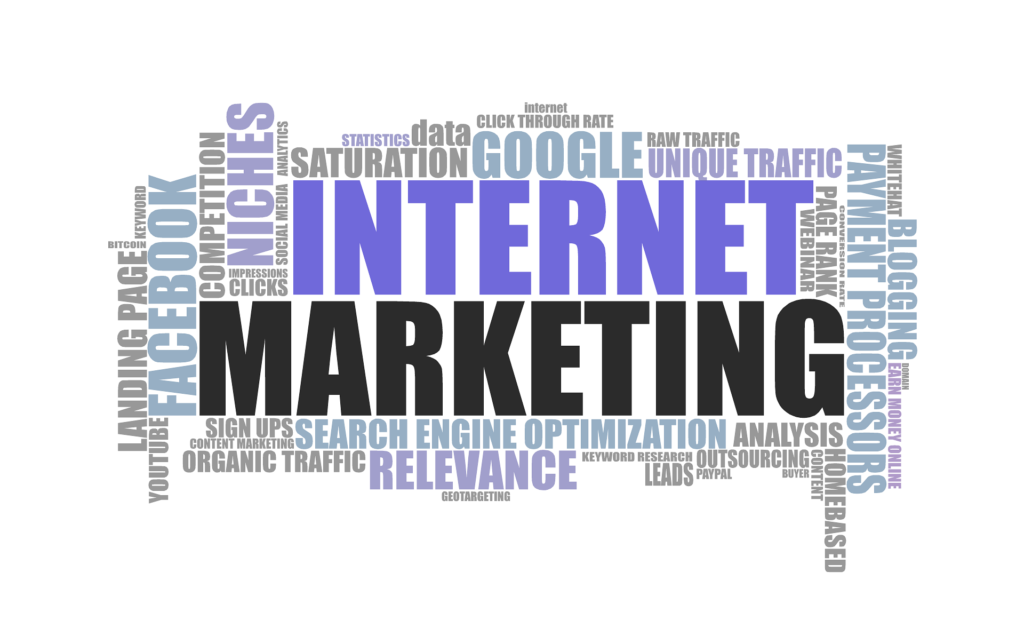
Digital marketing refers to the promotion of products, services, and brands through digital channels such as search engines, social media platforms, websites, email, and online advertising. It allows businesses to reach potential customers, build relationships, measure performance, and improve their marketing strategies using data.
Whether you are a small business owner, a student, a freelancer, or a marketing professional, understanding digital marketing can open up many opportunities. In this blog, we will explore what digital marketing is, its major types, its benefits, the role of artificial intelligence, and how businesses can develop an effective digital marketing strategy.
1. What Is Digital Marketing?
Digital marketing is the process of promoting a business, product, or service using the internet and other digital technologies. It helps businesses reach the right people at the right time through online platforms.
For example, when you search for a product on Google and see a sponsored advertisement, watch a product promotion on Instagram, or receive a promotional email from a company, you are experiencing digital marketing.
Unlike traditional marketing, many digital marketing campaigns allow businesses to track their performance in detail. Marketers can measure website visits, advertisement clicks, leads, purchases, and customer engagement to understand what is working.
Digital marketing is useful for businesses of every size, from local shops and startups to international companies. A small business can use social media to attract local customers, while a large company can run advertising campaigns across multiple countries.
The main goal of digital marketing is not simply to get attention. It is to attract the right audience, provide value, build trust, and encourage people to take meaningful actions.

2. Why Is Digital Marketing Important?
Digital marketing has become an important part of modern business because customers increasingly use digital platforms to discover products, compare prices, read reviews, and make purchasing decisions.
Here are some reasons why digital marketing matters.
Global and Local Reach
Businesses can connect with audiences across different locations. At the same time, local targeting allows companies to promote their services to customers in a specific city, neighbourhood, or region.
For example, a coffee shop in Kalaburagi can use local SEO and social media marketing to attract nearby customers.
Cost-Effective Promotion
Digital marketing offers different budget options. Businesses can start with organic social media content, SEO, and email marketing before investing in paid advertising. Although digital marketing is not always inexpensive, businesses can choose strategies that suit their goals and budgets.
Measurable Results
Digital marketing platforms provide data that helps marketers understand campaign performance. Businesses can evaluate impressions, clicks, conversions, and revenue to make informed decisions.
Better Customer Engagement
Social media comments, email newsletters, live videos, and messaging platforms allow businesses to communicate directly with customers.
Targeted Advertising
Advertisers can reach audiences based on factors such as location, interests, search intent, and previous interactions, depending on the platform and its available targeting options.
These advantages make digital marketing a valuable tool for improving brand awareness, generating leads, and increasing sales.
3. Major Types of Digital Marketing
Digital marketing includes several interconnected strategies. The best approach depends on a business’s audience, industry, budget, and objectives.
Search Engine Optimization (SEO)
Search Engine Optimization, commonly known as SEO, is the process of improving a website so that it can appear more prominently in relevant unpaid search results.
When people search for information, products, or services on Google and other search engines, they often visit the pages that best answer their questions. SEO helps businesses make their websites more useful, accessible, and relevant to those searches.
SEO generally includes three major areas:
- On-page SEO: Improving page titles, headings, content, internal links, and other on-page elements.
- Off-page SEO: Building a website’s reputation through relevant mentions, genuine backlinks, and other external signals.
- Technical SEO: Improving crawling, indexing, website structure, mobile usability, and page performance.
For example, a coffee shop website might publish helpful content about different coffee types, create a clear menu page, and optimize its location information.
SEO usually requires patience because improvements may take time to produce results. However, it can become a valuable source of relevant website traffic over the long term.
Social Media Marketing
Social media marketing involves using platforms such as Instagram, Facebook, LinkedIn, YouTube, and other social networks to promote a brand and build relationships with an audience.
Businesses can publish educational posts, product photographs, short videos, customer stories, polls, and behind-the-scenes content.
Different platforms serve different purposes. LinkedIn can be useful for professional networking and business-to-business marketing, while Instagram and YouTube can help brands communicate through visual storytelling and video.
Successful social media marketing requires consistency, creativity, audience understanding, and interaction. Instead of publishing only promotional content, brands should also educate, entertain, and help their followers.
Content Marketing
Content marketing focuses on creating and distributing useful, relevant content to attract and retain a clearly defined audience.
Examples include:
- Blog posts and articles.
- Educational videos and tutorials.
- Infographics and checklists.
- Case studies and customer stories.
- E-books and downloadable guides.
A digital marketing agency, for example, could publish a blog explaining how small businesses can improve their online visibility. Readers who find the information useful may later consider the agency’s services.
The key to content marketing is providing genuine value rather than publishing content solely to promote a product.
Pay-Per-Click Advertising (PPC)
Pay-per-click advertising is a digital advertising model in which advertisers commonly pay when someone clicks their advertisement.
Google Ads is a popular platform for search advertising, while platforms such as Meta Ads support advertising across Facebook and Instagram.
PPC can help businesses reach potential customers quickly, particularly when people are actively searching for a product or service.
For example, a company selling digital marketing courses could run search advertisements targeting people looking for online marketing training.
Successful PPC campaigns require careful keyword research, relevant landing pages, persuasive advertisements, conversion tracking, and regular optimization.
Paid advertising can generate quick visibility, but results depend on factors such as competition, targeting, campaign quality, and budget.
Email Marketing
Email marketing involves sending relevant messages to people who have chosen to receive communications from a business.
Companies use email to share newsletters, product updates, special offers, educational content, and personalized recommendations.
For example, an online clothing store might send customers information about a new collection or remind subscribers about products they previously viewed, where appropriate permissions and applicable laws allow it.
Effective email marketing focuses on relevant content, clear subject lines, useful offers, and audience preferences. Businesses should respect consent, provide unsubscribe options, and protect subscriber information.
Affiliate Marketing
Affiliate marketing is a performance-based approach in which individuals or publishers promote another company’s products and may earn a commission when qualifying actions occur through their referral links.
For example, a technology blogger could review a laptop and include an affiliate link. If a reader purchases through that link, the blogger may receive a commission under the affiliate program’s terms.
Affiliate marketing can help businesses expand their reach through partners and creators. Transparency is important: affiliates should clearly disclose commercial relationships and provide honest recommendations.
Influencer Marketing
Influencer marketing involves collaborating with content creators who have established audiences and influence within a particular niche.
Brands may partner with creators to demonstrate products, explain services, share experiences, or create sponsored videos.
A local clothing brand could collaborate with a fashion creator to showcase its latest collection.
Businesses should select influencers based on audience relevance, credibility, engagement quality, and brand alignment rather than follower count alone. Paid partnerships should be disclosed clearly.
Video Marketing
Video marketing uses video content to educate, entertain, demonstrate products, or communicate a brand’s message.
Short-form videos, tutorials, product demonstrations, interviews, customer testimonials, and live streams are common examples.
Videos can make complicated ideas easier to understand and allow businesses to communicate personality and emotion.
A digital marketing academy, for example, could publish short videos explaining SEO basics, social media strategies, or advertising tips.
4. The Role of Artificial Intelligence in Digital Marketing
Artificial intelligence (AI) is changing how marketers research audiences, develop content, analyze data, and manage campaigns.
AI-powered tools can assist with generating content ideas, drafting advertisements, summarizing customer feedback, identifying trends, and automating repetitive tasks.
For example, a marketer can use AI to brainstorm ten social media post ideas for a coffee shop, prepare an initial blog outline, or organize frequently asked customer questions.
AI can also support campaign analysis by helping marketers identify patterns and explore possible improvements.
However, AI-generated content should not automatically be treated as accurate or ready to publish. It may contain errors, generic statements, or information that requires verification.
The most effective approach combines AI’s speed with human creativity, critical thinking, brand knowledge, and an understanding of customer needs.
Businesses should also protect confidential information, respect copyright, and follow relevant privacy requirements when using AI tools.
5. How to Create an Effective Digital Marketing Strategy
A successful digital marketing campaign begins with a clear plan. Businesses should understand what they want to achieve, whom they want to reach, and how they will measure progress.
Step 1: Define Your Goals
Start by identifying specific business objectives.
Your goals might include increasing website traffic, generating qualified leads, improving brand awareness, increasing online sales, or attracting more local customers.
Where possible, make goals measurable and time-bound.
For example, a business might aim to increase qualified website enquiries by 15% over three months. The target should be realistic for its current resources and performance.
Step 2: Understand Your Target Audience
Identify the people most likely to benefit from your products or services.
Consider their needs, interests, challenges, purchasing behaviour, and preferred online platforms.
Customer interviews, surveys, website analytics, and social media insights can help you understand your audience more clearly.
The better you understand potential customers, the easier it becomes to create relevant messages and offers.
Step 3: Choose the Right Channels
You do not need to use every digital marketing platform at once.
A local business may benefit from Google Business Profile optimization, local SEO, and Instagram. A business-to-business company may prioritize LinkedIn, search marketing, and educational content.
Select channels based on audience behaviour, business goals, available resources, and the type of product or service you offer.
Step 4: Create Valuable Content
Develop content that answers questions, solves problems, and demonstrates your expertise.
Use a content calendar to organize blog articles, social media posts, videos, and email newsletters.
Maintain a consistent brand voice and make sure your content gives people a clear reason to engage with your business.
Step 5: Optimize Your Website
Your website often acts as the centre of your digital marketing activities.
Make sure it is easy to navigate, mobile-friendly, secure, and reasonably fast. Important information should be easy to find, and every key page should guide visitors toward a relevant next step.
Depending on your goals, that next step might be contacting your business, booking a service, subscribing to a newsletter, or purchasing a product.
Step 6: Track and Improve Performance
Use appropriate analytics and advertising tools to measure results.
Review your performance regularly and identify which campaigns are generating meaningful outcomes.
If an advertisement receives many clicks but very few enquiries, investigate the landing page, audience relevance, offer, and conversion process before increasing the budget.
Digital marketing is an ongoing process of testing, learning, and improvement.
6. Important Digital Marketing Metrics
Metrics help marketers understand whether their strategies are producing results.
Some important measurements include:
Website traffic: The number of visits or visitors to your website.
Impressions: How many times content or an advertisement is displayed.
Click-through rate (CTR): The percentage of impressions that result in clicks.
Conversion rate: The percentage of relevant visitors or interactions that complete a desired action, based on the measurement method used.
Cost per lead (CPL): The advertising or campaign cost divided by the number of leads generated.
Customer acquisition cost (CAC): The cost of acquiring a new customer, calculated using a clearly defined set of marketing and sales expenses.
Return on ad spend (ROAS): The revenue attributed to advertising divided by the advertising cost.
These metrics should be interpreted together. High traffic does not necessarily mean high sales, and a large number of leads is not useful if those leads are unlikely to become customers.
The right metrics are those that connect marketing activity to meaningful business objectives.
7. Common Digital Marketing Mistakes to Avoid
Even well-planned campaigns can struggle when businesses overlook important fundamentals.
Some common mistakes include:
- Not defining clear goals: Without measurable objectives, it becomes difficult to evaluate success.
- Ignoring the target audience: Content that tries to appeal to everyone may fail to connect with anyone in particular.
- Expecting instant SEO results: Organic search growth often requires sustained effort and continuous improvement.
- Publishing inconsistent content: Irregular publishing can make it harder to build audience expectations and maintain engagement.
- Ignoring mobile users: Difficult navigation and poorly designed mobile pages can reduce conversions.
- Focusing only on likes and followers: Engagement metrics matter, but they should support broader business goals.
- Failing to track conversions: Without appropriate measurement, businesses may struggle to understand which activities produce leads or sales.
- Copying competitors: Competitor research can provide inspiration, but brands need their own distinctive value and voice.
Avoiding these mistakes can help businesses use their marketing budgets more effectively and build stronger customer relationships.
8. Career Opportunities in Digital Marketing
Digital marketing offers a wide range of career paths for people interested in creativity, communication, technology, analytics, and business growth.
Popular roles include:
- Digital Marketing Executive.
- SEO Specialist.
- Social Media Manager.
- Content Writer.
- Performance Marketing Specialist.
- Google Ads or Meta Ads Specialist.
- Email Marketing Specialist.
- Marketing Analyst.
- Digital Marketing Strategist.
- Marketing Automation Specialist.
People can begin learning through free educational resources, online courses, practical projects, and internships.
Building a portfolio is especially valuable. A beginner can create a sample website, conduct keyword research, prepare a content calendar, or develop a mock advertising campaign to demonstrate practical skills.
Digital marketing tools and platforms evolve constantly, so continuous learning is important. Communication skills, analytical thinking, creativity, and the ability to adapt are valuable alongside technical knowledge.
9. The Future of Digital Marketing
Digital marketing will continue to evolve as technology, consumer expectations, and online platforms change.
AI-assisted workflows are becoming more common, while short-form video, personalized experiences, conversational interfaces, and marketing automation offer new ways to communicate with customers.
At the same time, trust and authenticity remain important. Customers want useful information, transparent communication, secure transactions, and brands that respect their privacy.
Businesses will need to balance automation with genuine human connection. They will also need to adapt to changing search experiences, platform policies, measurement limitations, and privacy requirements.
The future belongs not simply to businesses that use the most tools, but to those that understand their customers and use technology responsibly to serve them better.
Conclusion
Digital marketing has transformed the way businesses attract customers, build relationships, and grow in a competitive online environment. Through SEO, social media marketing, content creation, PPC advertising, email marketing, video, and other digital channels, companies can connect with audiences and measure their progress.
However, successful digital marketing is not about being present on every platform or publishing content every day without a plan. It requires clear goals, audience research, valuable content, appropriate technology, and continuous performance analysis.
For beginners, the best approach is to learn the fundamentals, practise with real or sample projects, and improve through experience. For businesses, the key is to select strategies that align with customer needs and measurable objectives.
As AI and digital platforms continue to evolve, creativity, adaptability, critical thinking, and customer trust will remain essential.
Start small, stay consistent, measure your results, and keep learning. Digital marketing can become a powerful way to turn ideas into opportunities and help businesses grow online.